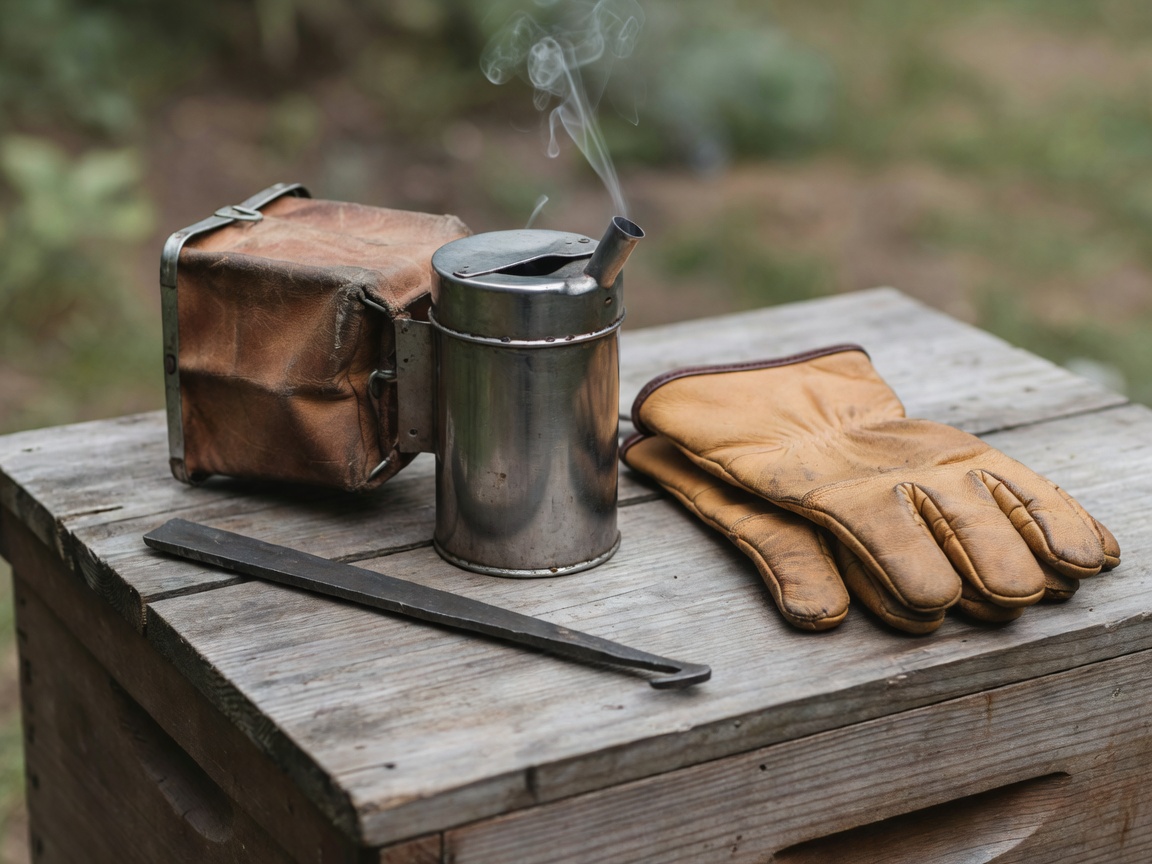
Browsing a beekeeping catalog for the first time can be an overwhelming experience. There are gadgets and gizmos for every conceivable situation, many of which claim to revolutionize the hobby. However, successful apiculture fundamentally relies on a surprisingly minimal set of tools. Over-purchasing is a common trap for beginners. This guide cuts through the noise, detailing the absolute non-negotiable equipment required to work a colony safely.
Protective Clothing
Your comfort and confidence in the apiary are directly tied to your protective gear. If you are constantly worried about being stung, your movements will become jerky and nervous, which in turn agitates the bees. A calm beekeeper requires reliable armor.
The Beekeeper's Suit
While some seasoned veterans prefer to work in just a veil and a t-shirt, beginners should always invest in a full-body suit. The market offers two main types:
- Cotton Canvas: Traditional, durable, and generally less expensive. However, heavy cotton retains heat, making summer inspections brutally hot and increasing the risk of heat exhaustion.
- Ventilated Mesh: Made of three layers of synthetic mesh. The layers create a gap wider than a bee's stinger, making it highly sting-resistant while allowing breeze to flow straight through. These are highly recommended for any beekeeper in a warm climate.
Gloves and Veils
Goatskin or cowhide leather gloves with canvas gauntlets that reach past the elbow are standard. Leather is sting-proof but reduces manual dexterity, leading to clumsier handling of frames. As you gain experience, you may opt for thinner nitrile gloves, which offer better tactile feedback while sacrificing absolute sting protection.
Veils come in several styles (fencing style, round hat, and square folding). Fencing veils are the most popular on modern suits as they zip completely off, don't require a separate hat, and fold flat for storage.
| Equipment Tier | Suit Type | Typical Cost | Best For |
|---|---|---|---|
| Budget | Standard Cotton | $40 - $80 | Cool climates, tight budgets |
| Standard | Single Layer Ventilated | $90 - $150 | Hobbyists in moderate climates |
| Premium | 3-Layer Ventilated Mesh | $180 - $300 | Hot climates, professionals |
The Hive Tool
The hive tool is the extension of a beekeeper's hand. Bees coat the interior of their hive—including the edges of boxes and the rests for every frame—with propolis. Propolis is a sticky resin collected from trees that hardens into a glue, securing the hive against drafts and predators. Without a hive tool to pry the boxes apart, a hive is practically impenetrable.
There are two primary styles: the standard flat tool (often resembling a small pry bar with a scraped edge) and the J-hook tool. The J-hook is slightly more expensive but features a curved end specifically designed to lever frames upward out of tight boxes with minimal effort. Both styles are generally forged from stainless or spring steel, and most beekeepers eventually own several.
The Smoker
Smoke is the oldest and most effective tool for managing defensive bee behavior. When a colony smells smoke, two things happen. First, the smoke masks the alarm pheromone (isopentyl acetate, which smells remarkably like artificial banana) released by guard bees. Second, it triggers a biological response causing the bees to gorge on honey in preparation to abandon the hive from an approaching forest fire. Gorged bees are lethargic and physically struggle to articulate their abdomens to sting.
A standard smoker consists of a fire chamber, a wire heat shield, and a bellows. When purchasing:
- Size matters: Look for a larger chamber (usually 4x10 inches). Smaller smokers require constant refilling and often go out mid-inspection.
- Heat shield: Essential to prevent accidental burns when holding the smoker between your knees during work.
- Fuel: You do not need to buy commercial smoker fuel. Pine needles, wood shavings, burlap, or dried sumac bobs all provide excellent, cool, white smoke.
Extraction Equipment (The Future Investment)
While you do not need extraction equipment on your first day, it represents the largest capital expense in beekeeping. If you run Langstroth hives, you will eventually need a centrifugal extractor to spin the honey out of the frames. Extractors range from manual two-frame plastic models for $150, to motorized stainless steel units capable of handling 20 frames for well over $1,000.
Before purchasing an extractor, check with your local beekeeping club. Many associations rent out high-quality motorized extractors to members for a nominal daily fee, saving beginners hundreds of dollars and a significant amount of storage space in the garage.